

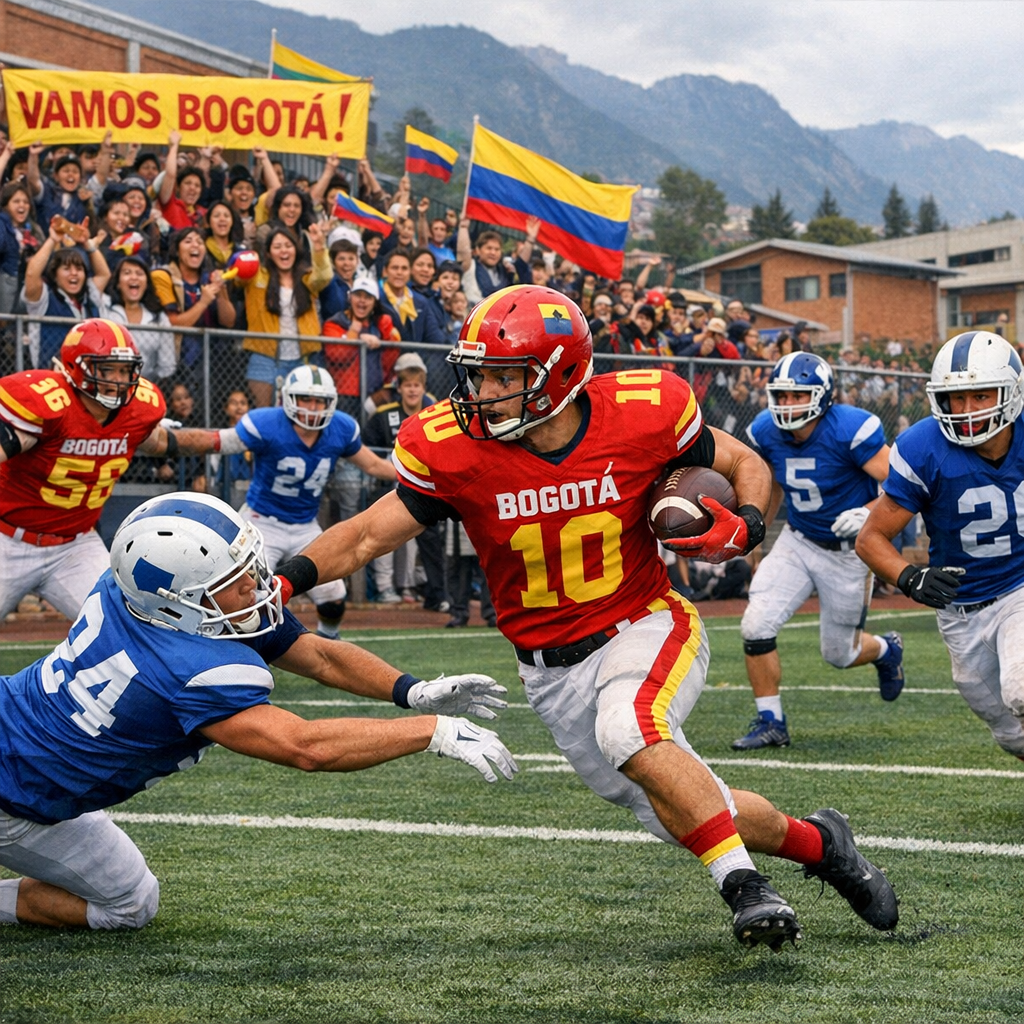
Bogotá’s sports culture is a dynamic blend of national pride and local enthusiasm, reflecting the city’s deep-rooted passion for athletic excellence.
National Highlights
The Colombian national football team, known as Los Cafeteros, has consistently showcased remarkable talent on the international stage. With a history of strong performances, including a quarterfinal finish in the 2014 FIFA World Cup, the team continues to inspire fans nationwide. Key players like James Rodríguez and Luis Díaz have been instrumental in elevating Colombia’s football stature.
Beyond football, Colombia’s prowess extends to other sports. The national baseball team has a rich history, having clinched the Amateur World Series titles in 1947 and 1965. Additionally, the country’s dominance in roller speed skating is evident, with the national team being a perennial powerhouse at the World Roller Speed Skating Championships.
Local School and Community Sports
In Bogotá, educational institutions play a pivotal role in nurturing young athletic talent. Schools such as St. Matthew School offer a diverse range of extracurricular activities, including individual and team sports, visual and performing arts, and technology clubs. These programs aim to develop students’ skills and passions beyond the classroom.
Similarly, the Lycée Français Louis Pasteur emphasizes physical education through its UNSS (National School Sports Union) program. This initiative promotes a variety of sports and artistic activities, encouraging students to engage in inter-school competitions and fostering a sense of community and sportsmanship.
Another notable institution, Colegio Andino, offers students opportunities to participate in local competitions through its affiliation with Uncoli, an organization that brings together 27 international schools in various sports disciplines. The school also engages in national games with other German schools in Colombia, competing in sports such as swimming, volleyball, basketball, and athletics.
Community leagues further enrich Bogotá’s sports landscape. The Sabana’s School League, for instance, unites educational institutions from the Sabana Centro region, promoting sports as a formative tool and showcasing the collaborative efforts of participating schools.
Conclusion
Bogotá’s sports scene is a testament to the city’s commitment to athletic excellence at both national and local levels. From the achievements of national teams to the dedication of schools and community leagues, the city’s vibrant sports culture continues to thrive, inspiring future generations of athletes.