

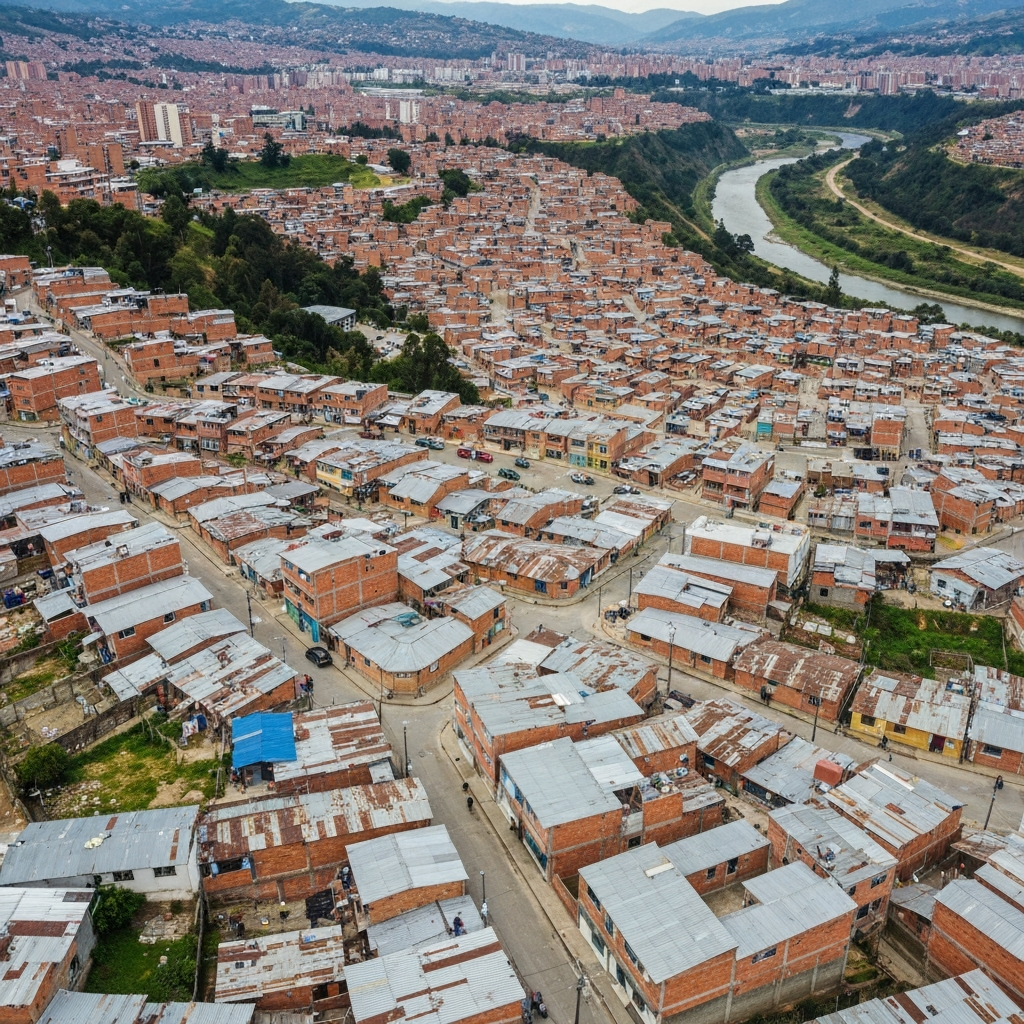
In Bogotá, the issue of informal housing remains a significant challenge, with around 22% of households living in settlements that lack essential services and are constructed with substandard materials. This situation affects approximately 554,000 families, highlighting a pressing need for comprehensive urban planning and social intervention.
The prevalence of informal housing is particularly notable in areas such as San Cristóbal, where residents often pay high rents for inadequate living conditions. These settlements frequently lack access to clean water, proper sanitation, and reliable electricity, exacerbating the cycle of poverty and limiting opportunities for social mobility.
Efforts to address this issue have been ongoing, with various initiatives aimed at improving infrastructure and providing legal avenues for land tenure. However, the complexity of the problem requires a multifaceted approach that includes community engagement, policy reform, and sustainable development practices.
As Bogotá continues to grow, it is imperative that solutions to the informal housing crisis are prioritized to ensure equitable living conditions for all residents. This includes not only upgrading existing informal settlements but also implementing preventive measures to curb the expansion of such areas in the future.