

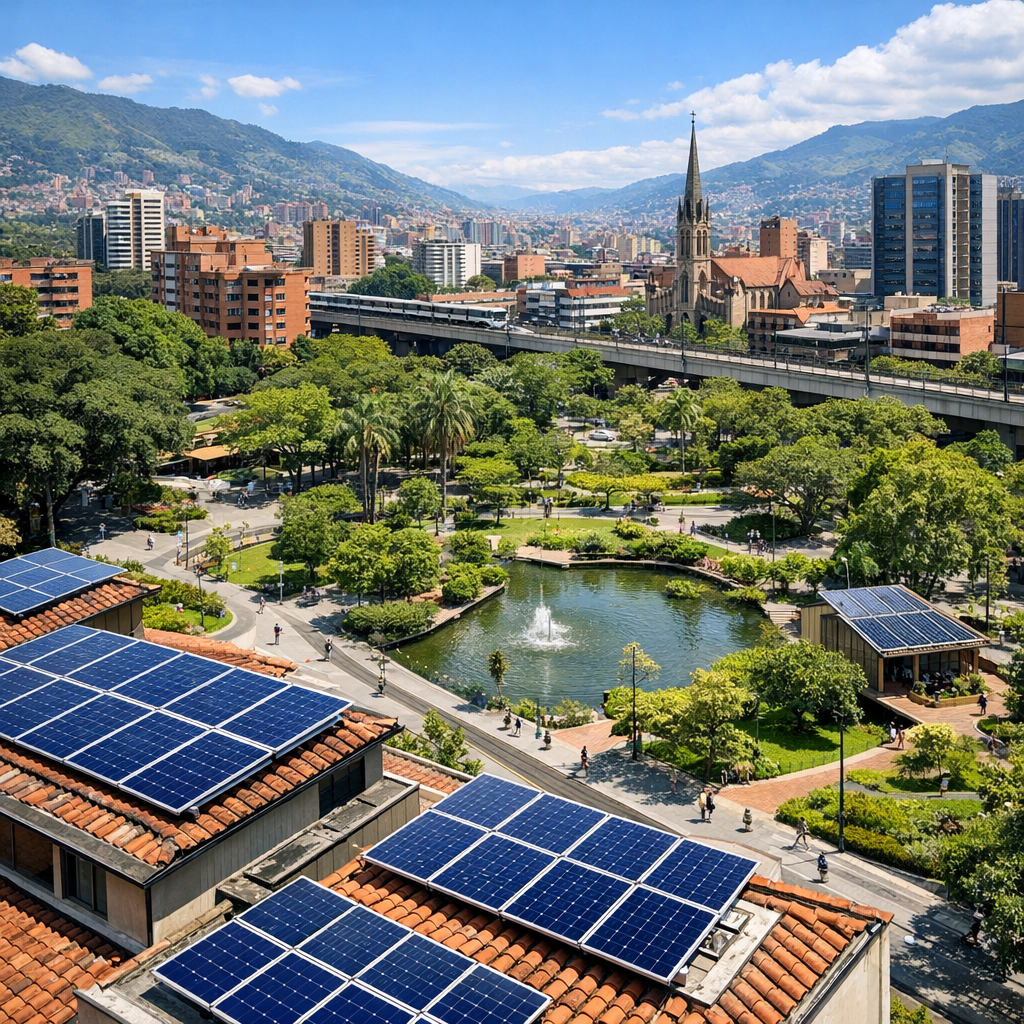
Colombia has emerged as a proactive participant in global climate change mitigation efforts, demonstrating a commitment to both international collaboration and domestic policy advancements.
Hosting the International Conference on Phasing Out Fossil Fuels
In April 2026, Colombia co-hosted the first International Conference on Phasing Out Fossil Fuels in Santa Marta, alongside the Netherlands. This landmark event brought together 50 countries, including France, Canada, the United Kingdom, Brazil, and Norway, representing a significant portion of global energy consumption and production. The conference aimed to address the challenges of transitioning away from fossil fuels, focusing on actionable solutions such as economic diversification, reduction of fossil fuel subsidies, and enhanced international cooperation.
Commitment to the Fossil Fuel Non-Proliferation Treaty
Colombia has endorsed the Fossil Fuel Non-Proliferation Treaty, becoming the first Latin American nation and the largest fossil fuel producer to do so. This endorsement underscores the country’s dedication to accelerating the global transition away from fossil fuels and aligns with its national goals for carbon neutrality by 2050.
Nationally Determined Contribution (NDC) 3.0
In September 2025, Colombia submitted its updated Nationally Determined Contribution (NDC) 3.0, committing to limit greenhouse gas emissions to between 155 and 161 million metric tons of CO₂ equivalent by 2035. This plan outlines a pathway to carbon neutrality by 2050 and emphasizes stronger coordination between national and subnational levels to ensure effective climate action.
Local Initiatives Supporting National Goals
Colombian cities are implementing projects that align with national climate objectives. For instance, Cali has initiated a Public Buildings Solar Rooftops program to harness solar energy, while Valledupar is developing the Guatapurí River Eco-Park to enhance urban resilience and promote sustainable tourism. Montería is transforming a former wastewater treatment area into a metropolitan botanical garden, creating a green space for recreation and environmental education.
Challenges and Opportunities
Despite these efforts, Colombia faces challenges due to its economic dependence on fossil fuel extraction, which has historically been a significant source of export revenues. The country is addressing this by halting new contracts for hydrocarbon exploration and planning a definitive roadmap for exiting fossil fuels by 2029. Additionally, Colombia is investing in renewable energy sources, including solar and wind, to diversify its energy matrix and reduce vulnerability to climate change impacts.
Through these initiatives, Colombia is positioning itself as a leader in the global fight against climate change, balancing economic development with environmental sustainability.