

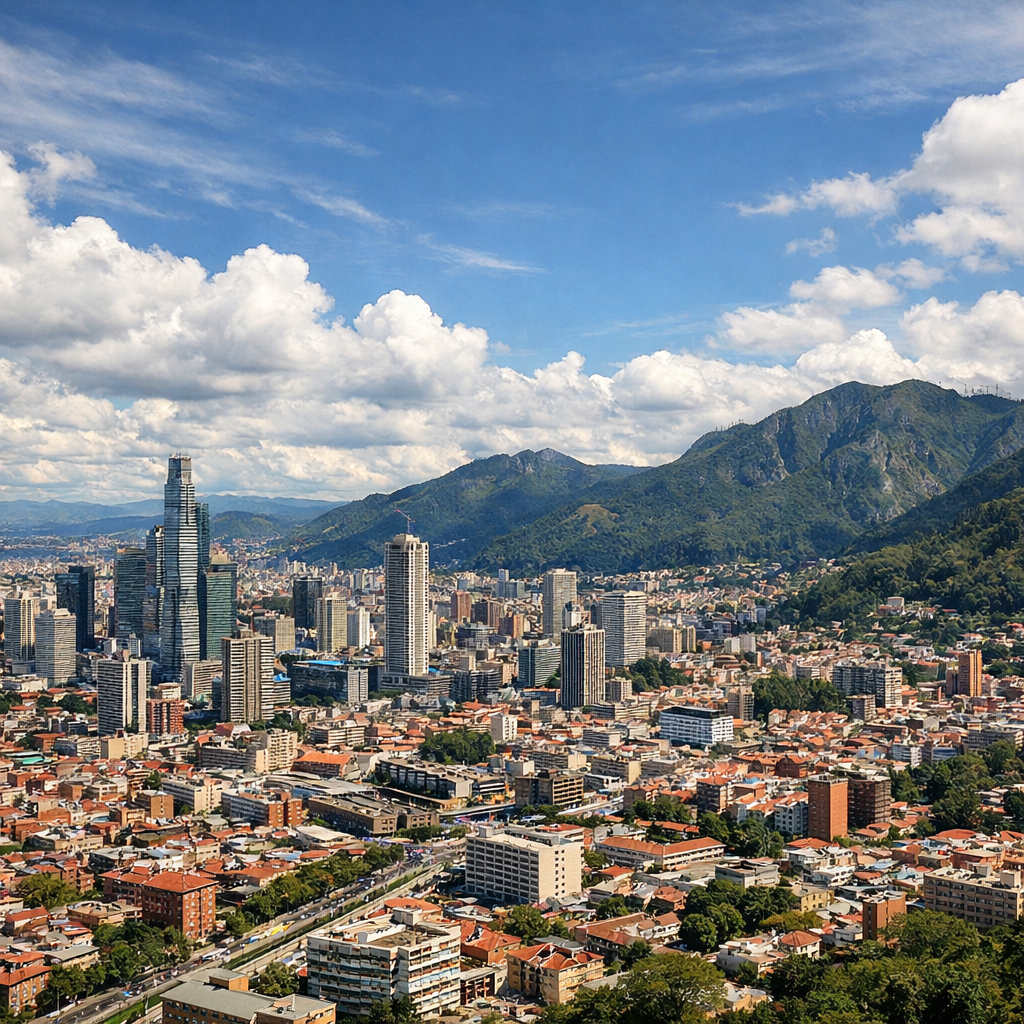
Bogotá, situated at an altitude of approximately 2,640 meters on the Andean Sabana plateau, experiences a subtropical highland climate characterized by relatively stable temperatures throughout the year. The average daily high hovers around 19°C (66°F), while the average low is about 10°C (50°F). This consistency offers residents and visitors a mild climate without the extreme seasonal variations found in many other regions.
Seasonal Rainfall Patterns
Despite the steady temperatures, Bogotá’s rainfall exhibits distinct seasonal patterns. The city experiences two primary rainy seasons: from April to May and from September to November. These periods coincide with the passage of the Intertropical Convergence Zone (ITCZ) over the region, leading to increased precipitation. Conversely, the drier months typically occur from December to March and July to August, when the ITCZ shifts away from Bogotá’s latitude.
Air Quality Concerns and Initiatives
Air quality remains a significant concern for Bogotá, particularly in the southwestern areas of the city, including localities such as Ciudad Bolívar, Bosa, Kennedy, and Fontibón. These regions, home to approximately 33% of the city’s population, are notably affected by elevated levels of fine particulate matter (PM2.5). The primary contributors to this pollution are unpaved roads and emissions from freight transport, which together account for over 60% of PM2.5 emissions in the city.
In response to these challenges, Bogotá has implemented several initiatives aimed at improving air quality. The city has joined the global Breathe Cities initiative, committing to reduce air pollution by 30% by 2030. Additionally, the Bogotá Metro Line 1 project is underway, with the first train arriving in Colombia, signaling progress toward enhancing public transportation and reducing vehicular emissions.
Water Resource Management
Water resource management is another critical environmental focus for Bogotá. The city relies heavily on the Chingaza reservoir, which supplies about 70% of its water. To mitigate potential shortages, especially during phenomena like El Niño, the city has increased the use of the Tibitoc plant to alleviate pressure on Chingaza. However, challenges persist, including water losses due to illegal connections and leaks, which account for up to 34% of the water flow. Authorities emphasize the importance of public participation in water conservation efforts to ensure a sustainable water supply for all residents.
Understanding Bogotá’s unique climate and the environmental challenges it faces is essential for residents and policymakers alike. Through continued efforts in air quality improvement and water resource management, the city aims to create a healthier and more sustainable environment for its inhabitants.