

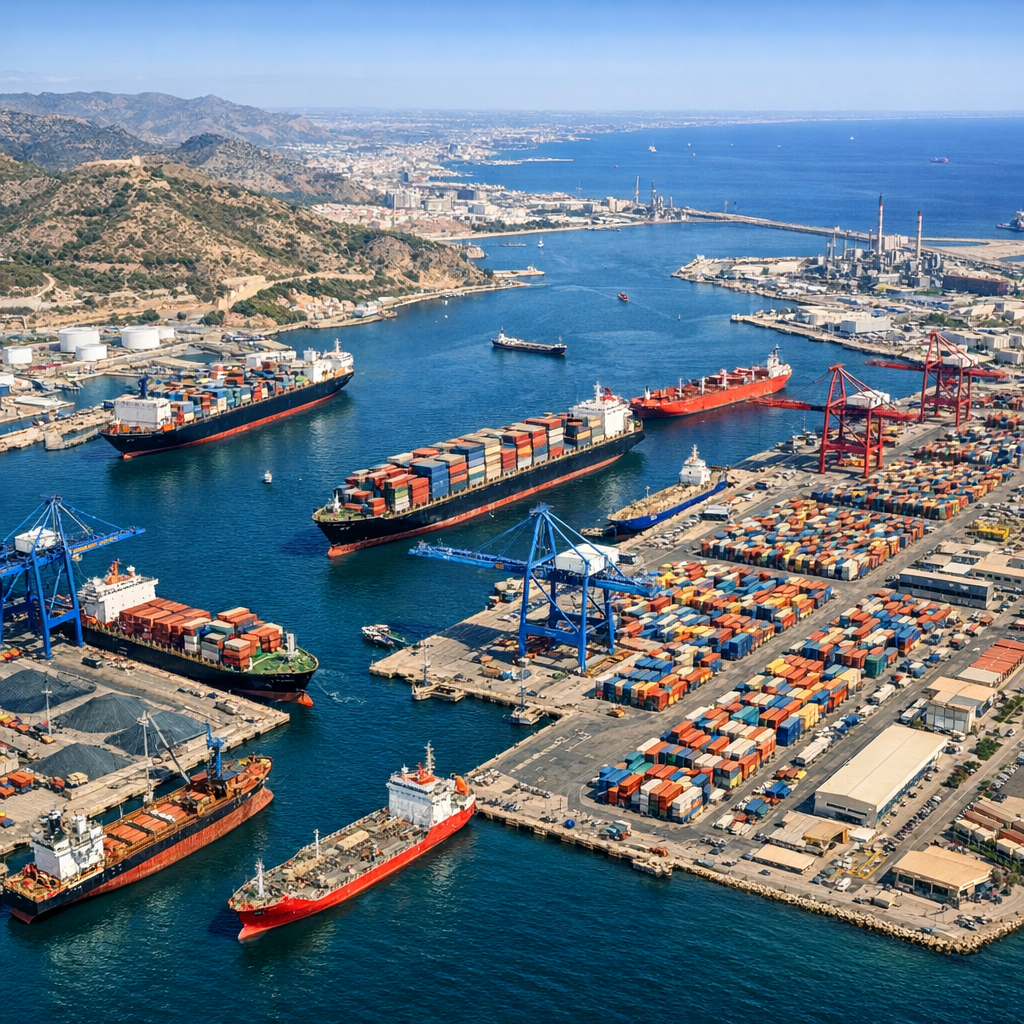
Colombia’s strategic location at the crossroads of major global trade routes, coupled with its extensive network of trade agreements, positions the country as a pivotal player in international commerce. This advantageous positioning offers significant opportunities for economic growth and development.
Geographical Advantage
Situated at the intersection of major global trade routes and in close proximity to the Panama Canal, Colombia serves as a natural gateway to both the Pacific and Atlantic Oceans. This unique location facilitates efficient access to markets across the Americas, Europe, and Asia, enhancing the country’s appeal as a hub for international trade. The Port of Cartagena, for instance, is recognized as the best-connected port in Latin America, underscoring Colombia’s logistical strengths. Source
Trade Agreements and Market Access
Colombia has established a robust network of trade agreements, granting preferential access to numerous global markets. Notably, the United States-Colombia Trade Promotion Agreement (CTPA), implemented in 2012, has significantly bolstered trade between the two nations. In 2025, U.S. goods exports to Colombia reached $19.4 billion, reflecting a 3.7% increase from the previous year. Source
Additionally, Colombia’s participation in the Pacific Alliance, alongside Mexico, Chile, and Peru, aims to deepen integration with Asian markets, further expanding the country’s trade horizons. Source
Export Portfolio
Colombia’s export portfolio is diverse, encompassing both traditional and emerging sectors. Key exports include:
- Mineral Fuels and Oils: Crude petroleum and coal are among the top export commodities, contributing significantly to the national economy.
- Agricultural Products: Renowned for its high-quality coffee, Colombia also exports substantial quantities of bananas and avocados, meeting growing global demand. In 2024, agricultural exports reached record levels, with the United States and Europe as primary destinations. Source
Challenges and Opportunities
Despite these advantages, Colombia faces challenges in diversifying its export base and enhancing value-added production. The economy’s reliance on commodities makes it susceptible to global price fluctuations. To address this, there is a concerted effort to promote industrialization and integrate more deeply into global value chains. Source
Furthermore, improving infrastructure and reducing non-tariff barriers are essential steps toward enhancing trade competitiveness. Continued investment in logistics and regulatory reforms will be crucial in positioning Colombia as a more attractive destination for foreign investment and trade partnerships.
Conclusion
Colombia’s strategic location and proactive trade policies have established a solid foundation for its role in global trade. By addressing existing challenges and leveraging its strengths, the country is well-positioned to expand its economic footprint on the international stage, fostering sustainable growth and development.